
Private Label · 5 min read
A Practical Checklist Before Starting a Private-Label Project
The commercial and technical questions worth answering before formulation, sampling and packaging planning begin.
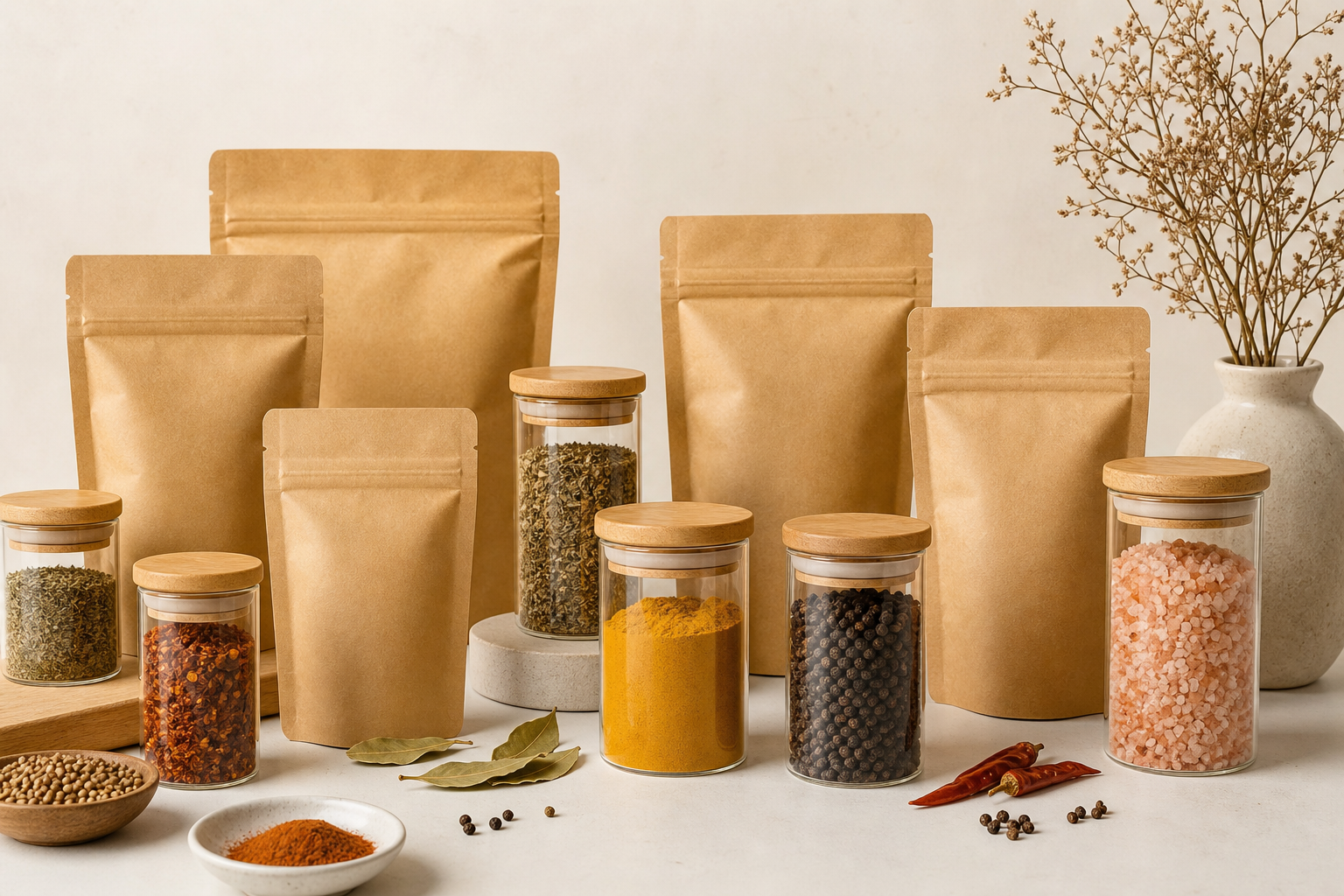
Private-label spice projects move more smoothly when the commercial brief is clear before formulation and packaging discussions begin. The checklist below covers the questions most teams need to settle early.
Define the range and buyer intent
Clarify whether you are building a single hero product, a small starter range, or a broader retail assortment. Note the channel — supermarket, specialty retail, food service or export — because packaging and documentation expectations change with the route to market.
- Working product names and category focus
- Target market and retail or food-service positioning
- Own-label brand guidelines already available
- Launch timing window, even if approximate
Capture formulation and sensory priorities
You do not need a finished recipe to begin, but you do need direction. Note preferred heat level, colour expectation, regional flavour cues, allergen constraints and any ingredients that must be included or avoided.
If a reference product exists, say what should be matched and what should be improved. That shortens sampling cycles.
Video slot
Private-label process overview video placeholder
Align packaging before artwork pressure builds
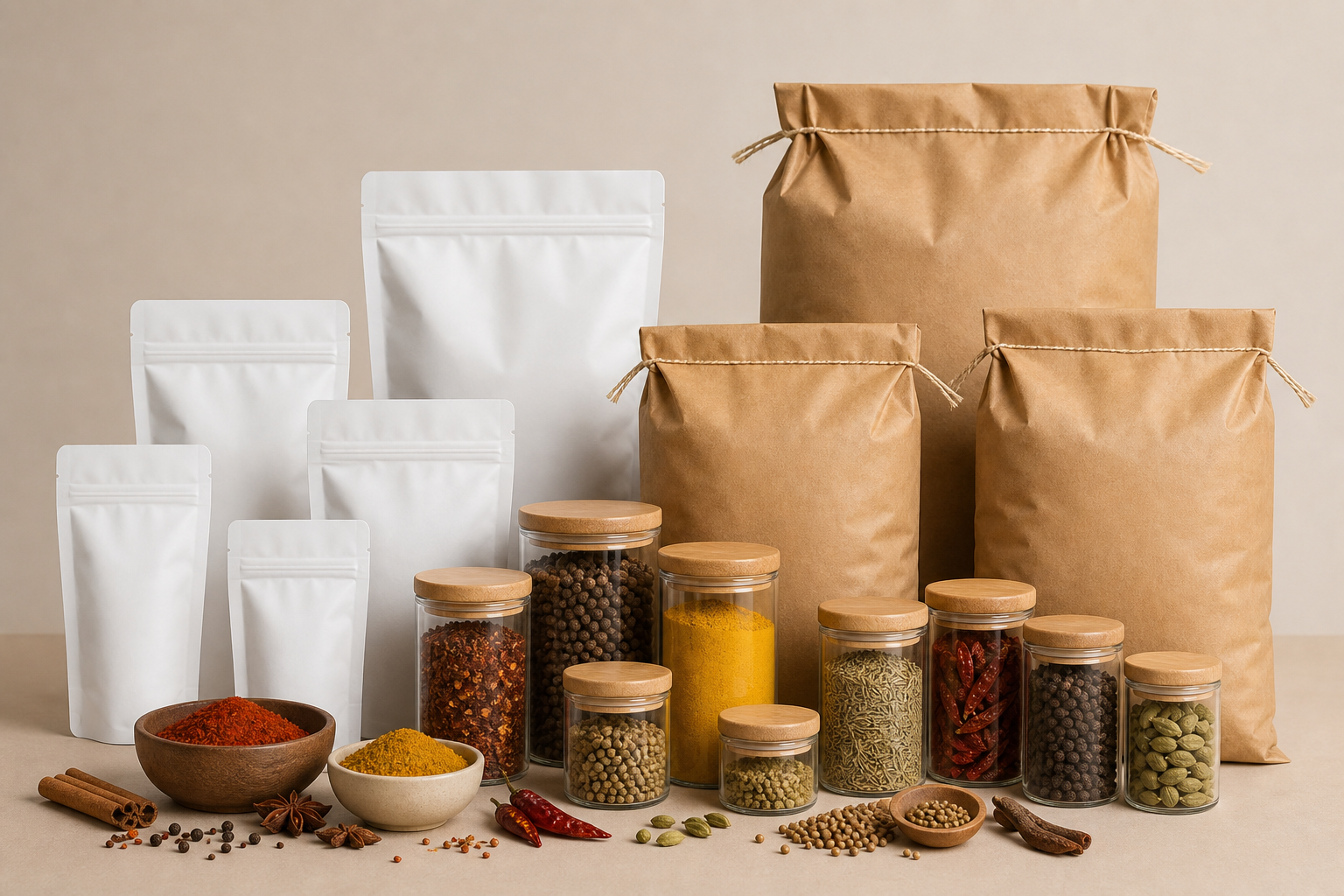
Pack format, fill weight, label language needs and shelf presentation should sit beside the product brief, not after it. Early packaging alignment reduces redesign once samples are approved.
Prepare the enquiry with usable detail
A strong private-label enquiry usually includes range intent, target formats, estimated volumes, packaging preference, destination market and any documentation expected during evaluation.
From there, discussion can move into formulation options, sampling, packaging alignment and manufacturing planning without restarting the brief.